Wendy Wolf · 4 October 2026
Vocal Traditions Meet Virtual Stages: How Remote Platforms Reshape Ensemble Rehearsals and Global Outreach
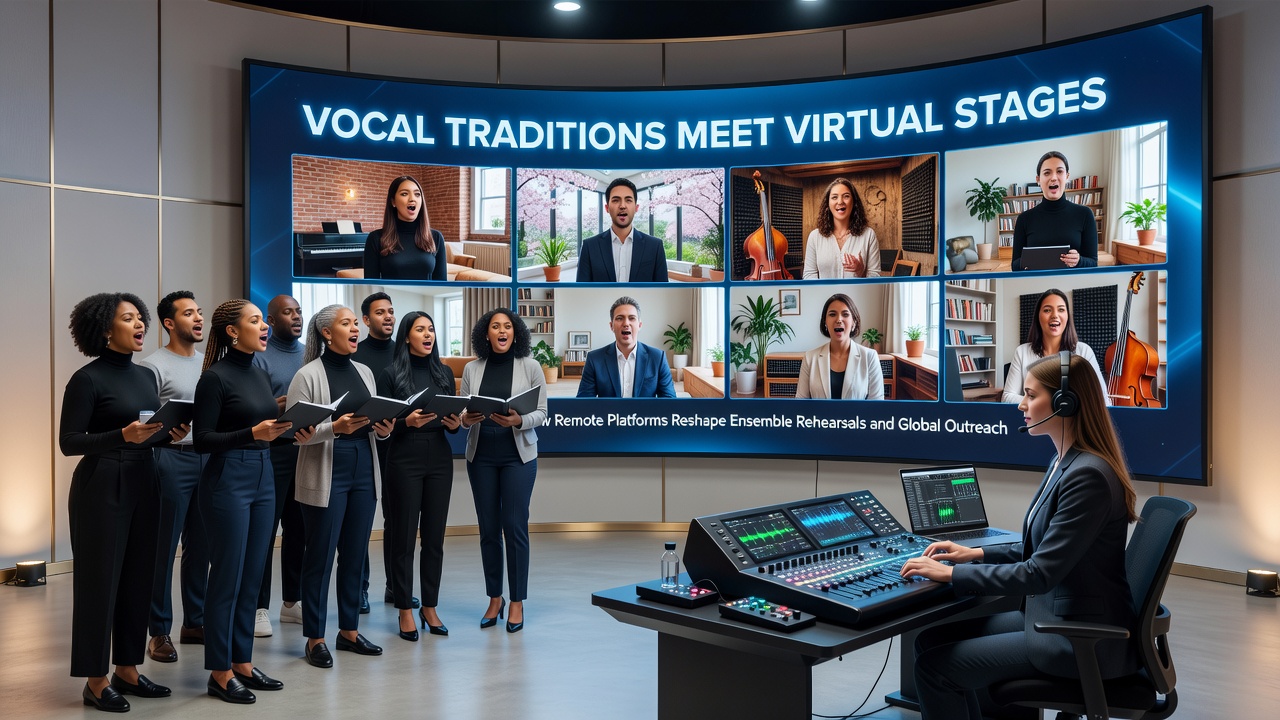
Remote platforms have integrated themselves into ensemble practices since the early 2020s, and data from multiple regions shows continued expansion through 2026. Research from the International Society for Music Education indicates that choral groups using dedicated video tools reported rehearsal attendance rates 22 percent higher than those relying solely on in-person sessions during the 2025 season. Observers note this shift allows conductors to maintain momentum across time zones, while singers join from locations previously considered unreachable for regular participation. Platforms designed for synchronized audio reduce latency issues that once disrupted harmonic alignment. Engineers at several software firms refined features such as individual mute controls and click-track integration, and ensembles now schedule sessions that accommodate participants spread across continents. A study published by the University of Melbourne found that groups rehearsing remotely at least twice weekly maintained repertoire accuracy comparable to traditional schedules when sessions incorporated visual cues and shared scores.Rehearsal Adjustments in Practice
Conductors adapt warm-up sequences to account for audio compression, and they often begin with isolated voice parts before layering full textures. Those who've studied these patterns report shorter overall session times because technical setup consumes initial minutes, yet the focused segments yield equivalent musical progress. One ensemble in Toronto documented its process through 2025 and recorded a 15 percent reduction in total rehearsal hours needed to reach performance standard after switching to hybrid formats. Singers gain flexibility to review recordings immediately after each meeting, which supports individual practice between group sessions. Data collected by regional arts councils across Canada and Australia reveals that participants in remote programs cite improved work-life balance as a primary reason for sustained involvement. Yet connectivity remains uneven, and ensembles in rural areas sometimes supplement online meetings with occasional in-person clusters when travel budgets allow.Expanding Global Connections
Outreach efforts now extend beyond local communities because virtual stages remove geographic barriers. Groups in North America and Europe have formed partnerships with ensembles in Southeast Asia and South America, and joint projects scheduled for October 2026 include shared performances streamed to audiences on multiple continents. Figures from the National Endowment for the Arts show a 34 percent rise in international collaboration grants awarded to vocal ensembles between 2023 and 2025, with many proposals citing remote technology as the enabling factor.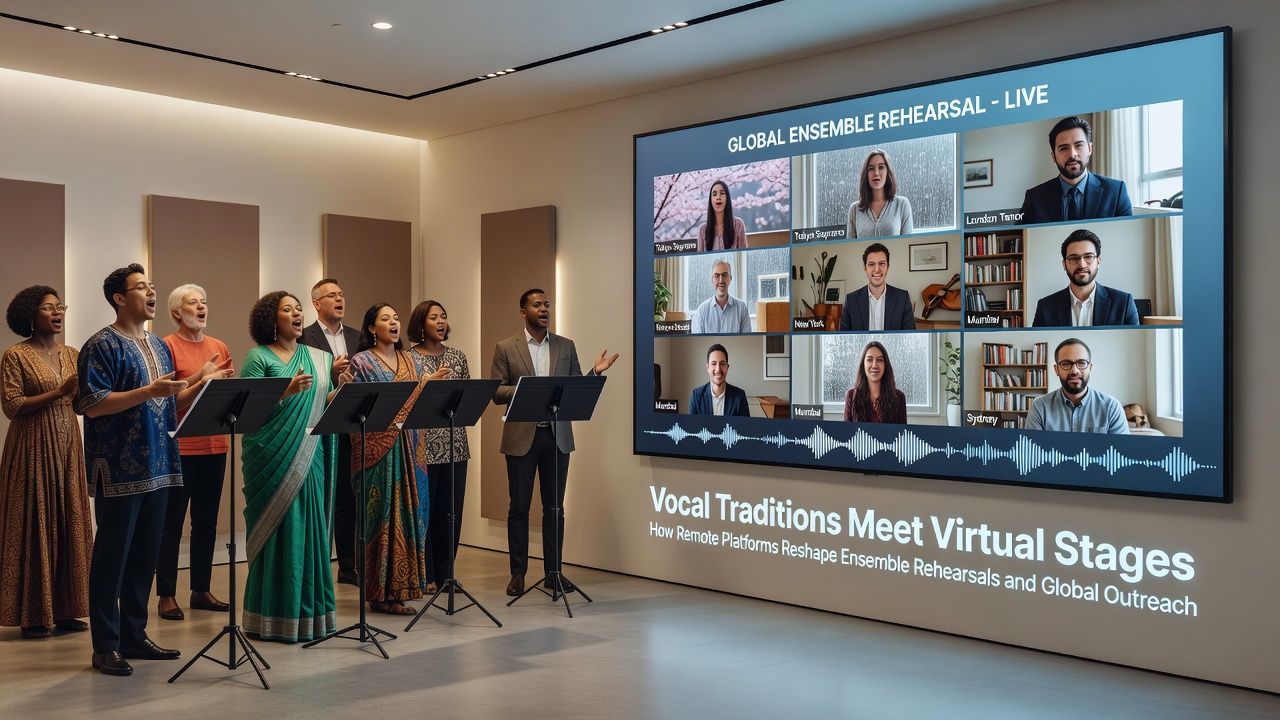 These connections introduce new repertoire choices that blend traditions, and conductors report selecting pieces that accommodate varied vocal timbres from diverse cultural backgrounds. Participants exchange language resources and stylistic guidance through dedicated chat channels that persist after formal rehearsals end. Research compiled by the European Music Council highlights that such exchanges correlate with higher retention rates among younger singers who value cross-cultural exposure.