Taylor Hayes · 18 October 2026
Harmonies That Heal: Examining the Evidence Connecting Group Singing to Mental Health
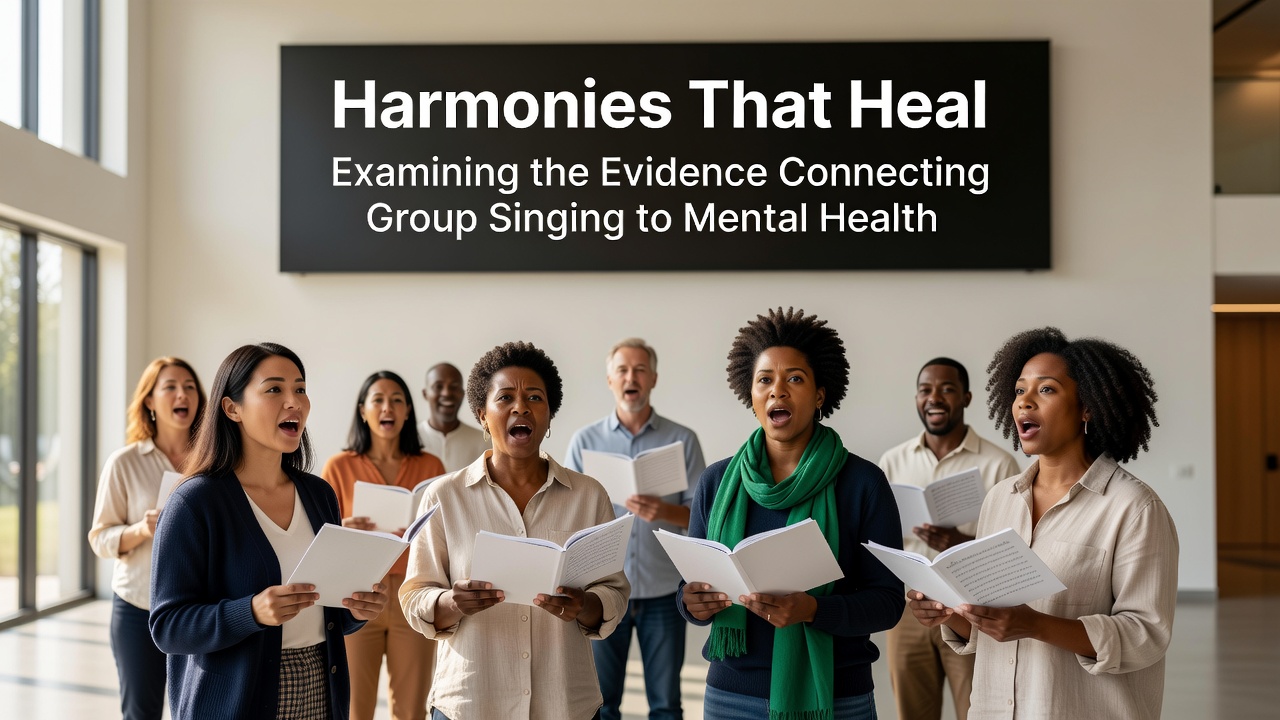
Group singing brings together people from varied backgrounds in shared vocal activity, and researchers continue to investigate its measurable effects on mental health indicators such as stress reduction and mood regulation. Studies document changes in hormone levels and brain activity patterns when participants engage in synchronized singing, while data from multiple longitudinal projects track improvements in self-reported wellbeing scores over time. Evidence accumulates from controlled trials and observational cohorts, each adding detail to the connection between collective vocalization and psychological outcomes.
Physiological Pathways Identified in Research
Breathing coordination required during group singing activates the parasympathetic nervous system, and measurements show corresponding drops in cortisol concentrations following sessions that last thirty minutes or longer. Heart rate variability increases in participants who sing together regularly, according to findings published by teams at institutions across North America and Europe. Oxytocin release rises during these activities because of the combination of physical proximity and rhythmic entrainment, and this neuropeptide correlates with reduced feelings of isolation in repeated assessments. Functional MRI scans reveal altered activity in the amygdala and prefrontal cortex regions when individuals sing in ensembles compared with solo vocalization, providing objective markers that align with subjective reports of calm and focus.
Psychological Outcomes Documented Across Populations
Participants in community choirs report lower scores on standardized anxiety inventories after eight to twelve weeks of regular rehearsals, and these shifts hold across age groups from young adults to older adults. Randomized controlled studies conducted in Australia and Canada demonstrate that group singing programs produce effect sizes comparable to other established group-based interventions for mild depressive symptoms. Cognitive flexibility measures improve in singers who maintain consistent attendance, and researchers attribute part of this gain to the dual demands of memorizing lyrics while monitoring harmonic cues from fellow performers. Sleep quality indices also rise in cohorts tracked over six months, with diaries indicating fewer nighttime awakenings among those who sing weekly.
Social Dimensions and Community Integration
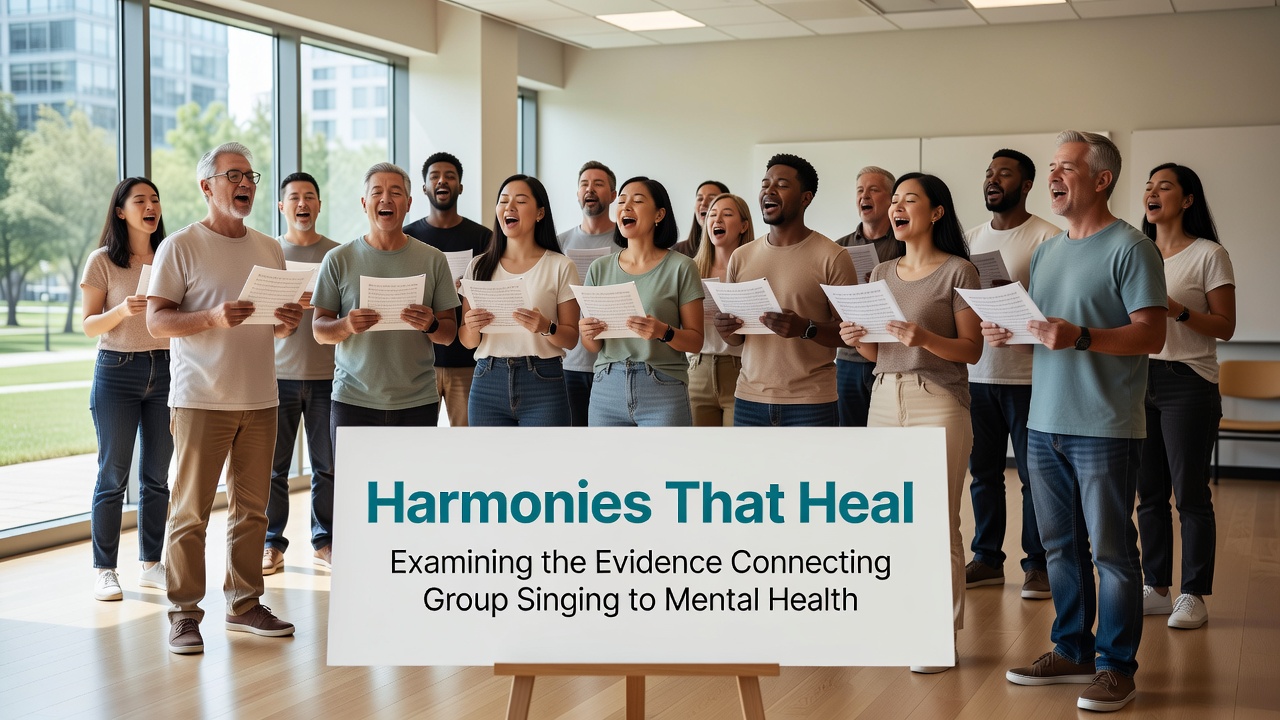
Ensemble membership creates repeated opportunities for social interaction outside performance contexts, and surveys reveal expanded personal networks among long-term participants. Trust metrics increase within groups that rehearse together for extended periods because of the vulnerability involved in producing sound publicly and the mutual reliance on pitch and timing accuracy. In October 2026 a multi-site study coordinated through Canadian and Scandinavian research centers reported sustained reductions in loneliness scales among adults over sixty-five who joined new vocal ensembles, with effects persisting six months after the initial intervention phase ended. Cultural adaptability appears high because singing traditions exist worldwide, allowing programs to incorporate local repertoire without diminishing the core physiological responses observed in laboratory settings.
Evidence from Broader Health Data
Population-level statistics compiled by health agencies indicate that individuals who participate in organized singing activities visit primary care providers less frequently for stress-related complaints, though causation remains under active investigation. A 2024 analysis from the Australian Institute of Health and Welfare linked higher community choir density in regional areas with lower reported rates of psychological distress in census-linked health records. University-led meta-analyses continue to refine dosage recommendations, noting that sessions occurring at least once weekly yield stronger cumulative benefits than sporadic attendance. Limitations in current datasets include self-selection bias and variability in group leadership quality, both of which future studies aim to address through standardized protocols and larger sample sizes drawn from multiple continents.
Conclusion
Collective data from physiological monitoring, psychological assessments, and social surveys converge on consistent patterns connecting group singing with measurable mental health markers. Ongoing research refines understanding of optimal session structures and participant characteristics that maximize observed benefits, while geographic diversity in study locations strengthens generalizability of results. As more longitudinal projects release findings, the evidence base grows more detailed without altering the core observation that synchronized vocal activity engages multiple systems simultaneously.