Iris Zimmermann · 20 September 2026
Digital Innovations Alter Song Selection Processes for Area-Based Vocal Ensembles
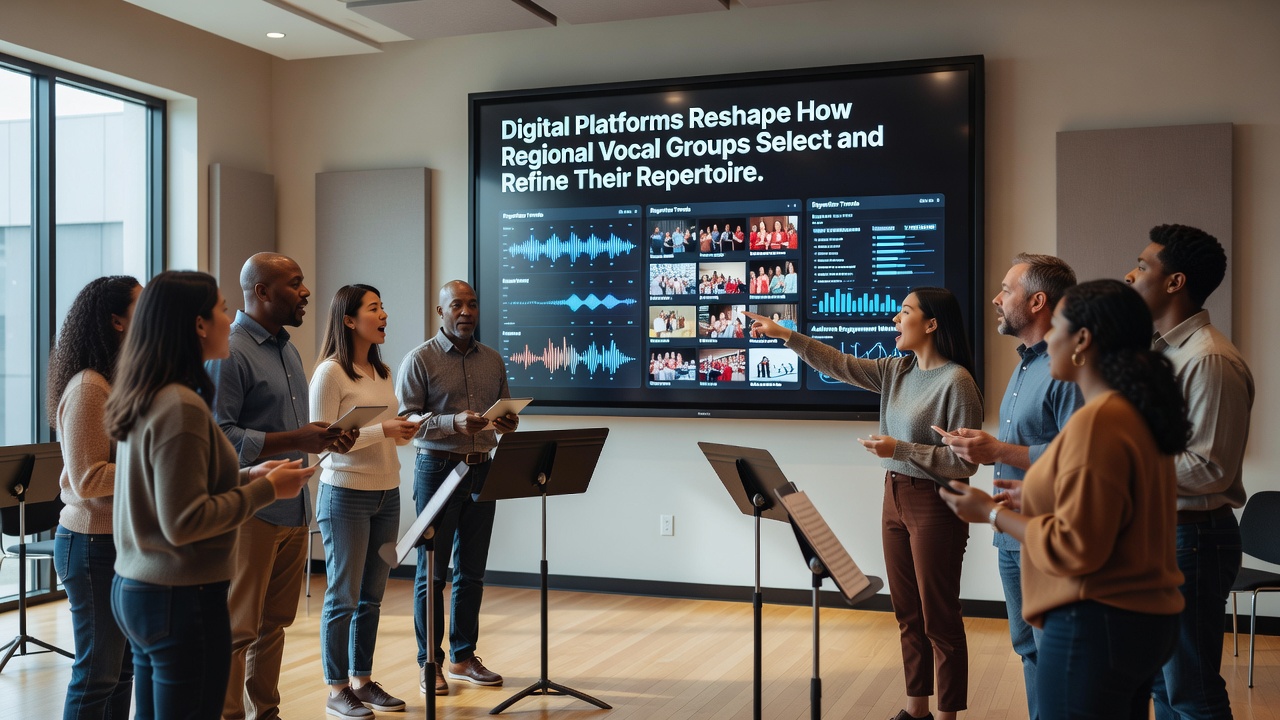
Regional vocal groups have shifted their approach to selecting and refining repertoire as digital platforms provide new access to scores, recordings, and collaborative tools, and data from industry reports shows increased adoption rates across community ensembles since 2023. Observers note that platforms offering searchable databases of choral works allow directors to filter options by difficulty level, language, and thematic content while virtual sharing features let singers contribute input before final decisions occur.
Expanded Access Through Online Repositories
Regional ensembles now draw from extensive online libraries that catalog thousands of arrangements, and this development stems from partnerships between music publishers and technology providers that digitize public domain and licensed materials. Research indicates that groups in rural areas particularly benefit because physical score shipments often delay preparation cycles, whereas instant downloads support timely program planning. Data from choral association surveys reveals a 40 percent rise in digital score usage among ensembles with fewer than 30 members between 2024 and 2025.
Platforms also integrate audio samples and practice tracks, which help conductors evaluate how pieces fit ensemble strengths before committing to full rehearsals. Those who manage multiple groups often report streamlined workflows when they can cross-reference past performance data stored in cloud accounts.
Collaborative Refinement and Feedback Loops
Real-time editing tools built into many platforms let members annotate scores and suggest modifications, and this process replaces earlier reliance on email chains or printed handouts. Studies conducted by university music departments document faster consensus building when participants review recordings together in shared virtual spaces. One ensemble in the Midwest used such features to adapt a traditional folk arrangement by incorporating local dialect elements after singers posted audio clips of regional pronunciations.
Analytics dashboards track which sections receive repeated playback requests during practice, giving directors objective indicators of where additional coaching may prove necessary. These metrics integrate with attendance records to correlate participation levels with specific repertoire choices, and figures from ensemble management software providers confirm that groups using these insights experience fewer last-minute substitutions.
September 2026 Trends and Emerging Patterns
By September 2026 several platforms introduced AI-assisted recommendation engines that analyze historical performance data alongside current membership demographics to propose repertoire lists, and early adopters among regional festivals note more diverse programming as a result. International Federation for Choral Music resources highlight how these tools surface works from underrepresented composers when directors input parameters for cultural balance. International Federation for Choral Music reports show growing interest in cross-border collaborations enabled by synchronized digital libraries.

Yet integration challenges persist for groups lacking consistent broadband access, and training sessions organized by regional choral networks address these gaps through hands-on tutorials. Observers note that ensembles combining digital selection with occasional in-person workshops maintain higher retention rates according to participation trend analyses.
Case Examples from Multiple Regions
Take one Pacific Northwest collective that incorporated user-generated content from a platform forum to refine a jazz standard arrangement, and the resulting version later appeared in a regional showcase. Similarly, an Atlantic coast youth choir leveraged translation tools embedded in score software to prepare multilingual pieces for an exchange program. Academic papers from Canadian research institutions document parallel developments where data visualizations helped directors balance rehearsal time across varying difficulty levels.
These examples illustrate how digital platforms function less as replacements for artistic judgment and more as extensions that surface options previously difficult to locate through traditional networks.
Conclusion
Digital platforms continue to reshape repertoire practices for regional vocal groups by supplying broader catalogs, collaborative features, and performance analytics, and ongoing platform updates suggest further refinements ahead. Data from multiple sources confirms sustained growth in adoption, while regional networks provide support structures that help ensembles integrate these resources effectively. The result appears in more varied programs that reflect both ensemble capabilities and audience interests across different geographic areas.