Wendy Wolf · 1 November 2026
Community Choirs Explore Alternative Revenue Models as Grant Funding Landscapes Shift
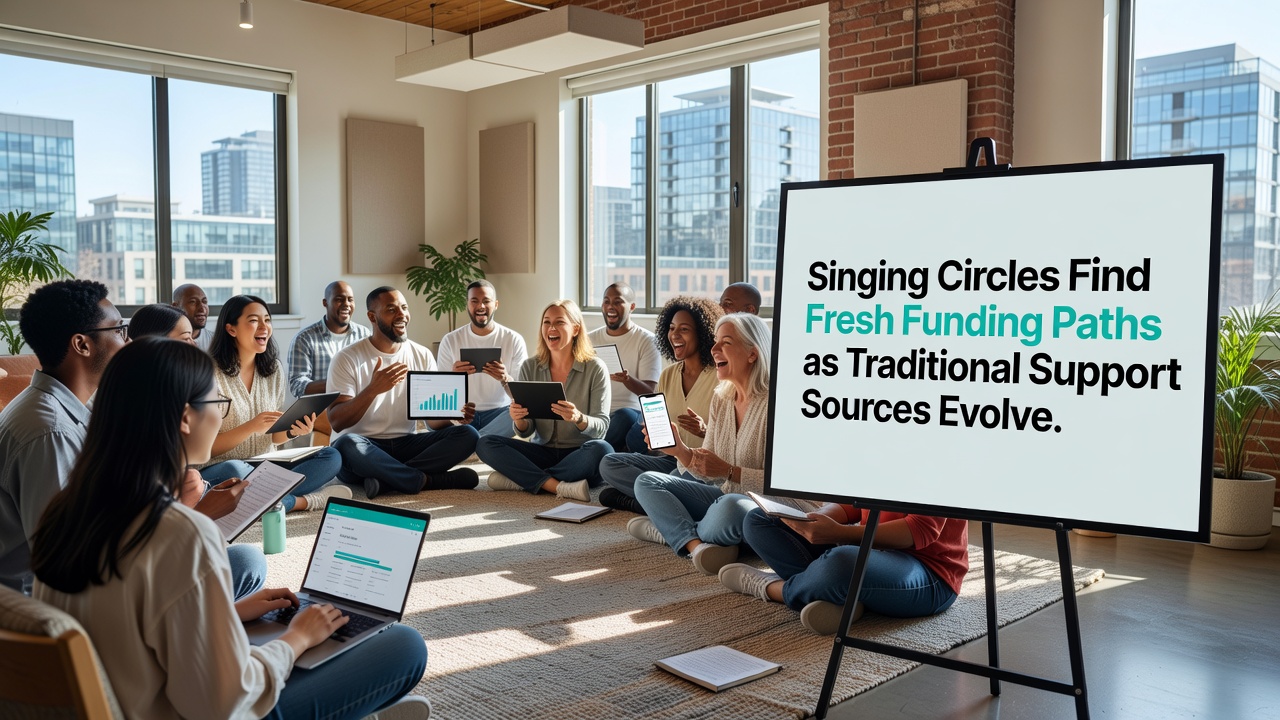
Community vocal groups across multiple regions have begun shifting toward diversified income streams because traditional grant programs from foundations and government agencies have undergone significant restructuring in recent years, and data from arts funding reports indicate that many ensembles now combine crowdfunding platforms with corporate partnerships plus performance-based ticket innovations to sustain operations.
Changing Patterns in Arts Support
Observers note that public funding allocations for choral activities experienced measurable adjustments between 2023 and 2025, while private foundation priorities moved toward broader social impact metrics rather than direct ensemble support, and researchers tracking these trends report that smaller singing circles in particular have responded by developing membership subscription models alongside merchandise sales that generate steady cash flow without relying solely on one-time awards.
Those who monitor choral economics point out that the National Endowment for the Arts has published updated guidelines emphasizing measurable community outcomes, and ensembles that align their programming with such criteria have maintained access to select grant streams even as overall budgets tightened in certain categories.
Digital Platforms and Crowdfunding Growth
Several vocal collectives have turned to online crowdfunding sites where supporters contribute small recurring amounts in exchange for exclusive rehearsal access or digital recordings, and figures released by major platforms show that arts-related campaigns in 2025 raised an average of twenty-three percent more than comparable efforts two years earlier.

What's interesting is how these digital tools integrate with local performance calendars, because ensembles schedule virtual ticketed events that stream to international audiences while maintaining in-person gatherings, and this hybrid approach has allowed groups to expand their donor base beyond immediate geographic boundaries without increasing travel expenses.
Corporate and Institutional Partnerships
Industry observers have documented a rise in collaborations between singing circles and technology companies that sponsor community workshops in return for branding opportunities, and one documented case involved a Midwest ensemble securing multi-year support from a regional software firm after demonstrating how weekly singing sessions improved participant well-being metrics tracked through anonymous surveys.
Academic institutions have also emerged as funding partners because university music departments increasingly seek community outreach components for accreditation purposes, and several choirs now receive venue access plus modest stipends through formal residency agreements that began rolling out more widely in early 2026.
November 2026 Developments
Planning documents for an international choral finance summit scheduled for November 2026 indicate sessions focused on blockchain-based micro-donation systems and insurance products tailored to ensemble travel needs, and early registration data suggest participation from over forty organizations representing five continents.
Analysts following these preparations report that attendees will examine case studies where groups replaced declining foundation grants with revenue from educational licensing of their original arrangements, and preliminary findings shared ahead of the event show that such licensing can produce quarterly income once digital distribution agreements are established.
Regional Variations in Funding Strategies
Groups operating in Canada have accessed support through the Canada Council for the Arts digital innovation fund that prioritizes technology integration in rehearsals, whereas ensembles in Australia have utilized matching programs administered by the Australia Council for the Arts that require demonstrated local business sponsorship before releasing public funds.
These regional differences highlight how ensembles adapt tactics to available mechanisms, and reports compiled by independent research organizations confirm that organizations maintaining diversified portfolios experienced fewer disruptions during the 2024-2025 transition period compared with those dependent on single-source grants.
Conclusion
Singing communities continue refining these approaches as new financial instruments appear and legacy sources recalibrate their criteria, and the patterns observed through 2026 suggest sustained emphasis on measurable outcomes paired with creative revenue combinations will shape operational planning for the foreseeable future.